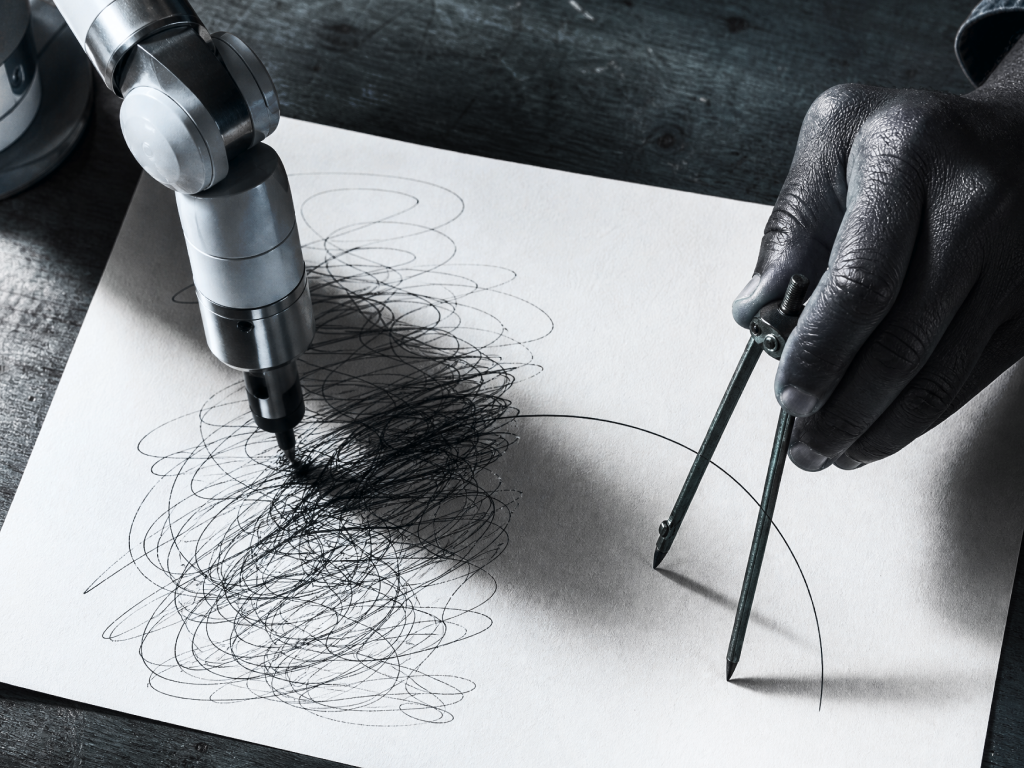
The client already knew who their audience was, or thought they did. Before we touched a single design element, we spent the entire first phase of the engagement trying to prove that assumption wrong.
That’s what “we research before we build” actually means in practice. Not a slide with a magnifying glass icon on it. A deliberate attempt to break the brief before we build anything on top of it.
The Part That Happens Before the Deck
When a media and creator platform came to us with a working product and no coherent identity, the temptation was to start with the obvious ask: fix the logo. We didn’t. Before any design decision got made, we spent time understanding the ecosystem the product was entering. Who were the founders actually trying to attract? What did the competitive landscape look like, and where was the space nobody else had claimed?
That phase doesn’t produce anything a client can see yet. No mockups, no color palette, no draft copy. It produces a set of answers we’re willing to be wrong about, which is the point. Research that only confirms what a client already believes isn’t research. It’s decoration.
Pressure-Testing, Not Just Gathering Information
The distinction matters. Gathering information means collecting facts about a market, a competitor set, an audience. Pressure-testing means taking the assumptions underneath a brief and trying to break them before we build anything on top of them.
If a founder tells us their audience is “everyone who cares about quality,” we don’t write that down and move on. We ask what happens to the positioning if that’s wrong, who gets left out if we build for “everyone,” and what a competitor claiming the exact same thing would do differently. Most of the time, the answer reveals a narrower, sharper audience than the one in the original brief. Sometimes it reveals that the real problem isn’t positioning at all, it’s that the product itself hasn’t decided what it’s for yet.
This is uncomfortable in a way that generic market research isn’t. It means telling a client their first instinct was incomplete before we’ve built anything to replace it with. We’d rather have that conversation in week one than let it surface in a launch that doesn’t land.

What Discovery Actually Produces
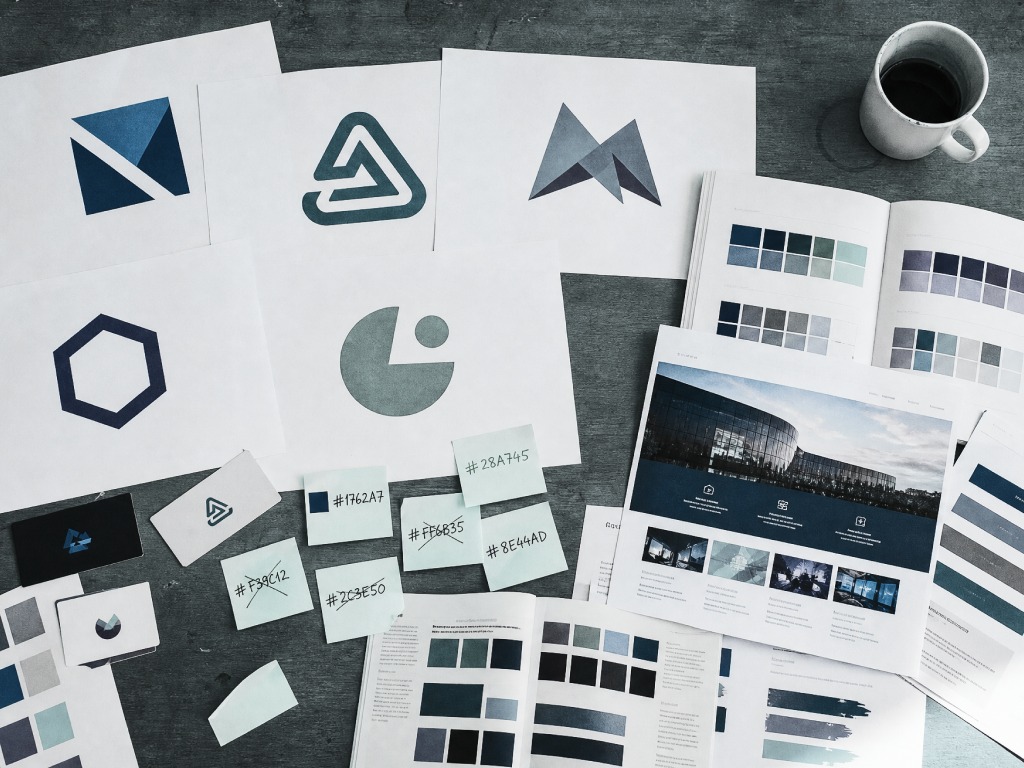
By the time design or development starts, discovery has to produce something concrete, not a mood board, a brief. For the media and creator platform, that meant a modular identity system built to hold up across a pitch deck and a social feed at the same time, because the research surfaced that the brand needed to work in both rooms, not just one. Nothing in that system was arbitrary. Every element existed because the discovery phase gave it a reason to.
This is the same operating principle behind Build With The Public, our structured research initiative into the digital infrastructure gaps facing humanitarian organizations. Before proposing a single tool or system, the work is methodical: mapping the landscape of nonprofits and service organizations, identifying where technology gaps are actually slowing their work down, and building a clear picture of where intervention would matter most. Research is still underway there, and we’re not skipping to solutions before that picture is complete, for the same reason we don’t skip to design before a client brief has been pressure-tested. Confident answers built on unexamined assumptions aren’t actually confident. They’re just untested.
Why This Is the Differentiator, Not the Preamble
Most creative studios treat discovery as a formality before the real work starts. We treat it as the real work. The systems-first backbone that runs through The Projekt, brand identity, web infrastructure, cybersecurity, staffing, production, exists because the same discipline that goes into pressure-testing a positioning brief also goes into pressure-testing a technical architecture or a security posture. A studio that only knows how to make things look finished can’t do that. A studio built with real technical depth in-house can.
That’s not a hedge and it’s not a generic “full-service agency” claim. It’s the reason the modular identity work held up past launch instead of needing a rebuild eighteen months later, and it’s the reason discovery isn’t a line item we bill separately so much as the foundation everything else gets built on.
Start Where We Start
If your last rebrand, website, or campaign launched off an assumption nobody pressure-tested first, that’s usually where the cracks show up later, not at launch, but six months after it, when the thing that looked right on day one stops fitting the business it was built for.
Start with a discovery session at wearetheprojekt.com, or reach out directly to walk through what that process would look like for your build.